
Choose a course
Physis Academy offers courses for those who are serious about advancing their artistic and technical skills in 3D digital art and media production. These courses focus on generating original work within the context of learning necessary cutting-edge skills, software and industry standards.
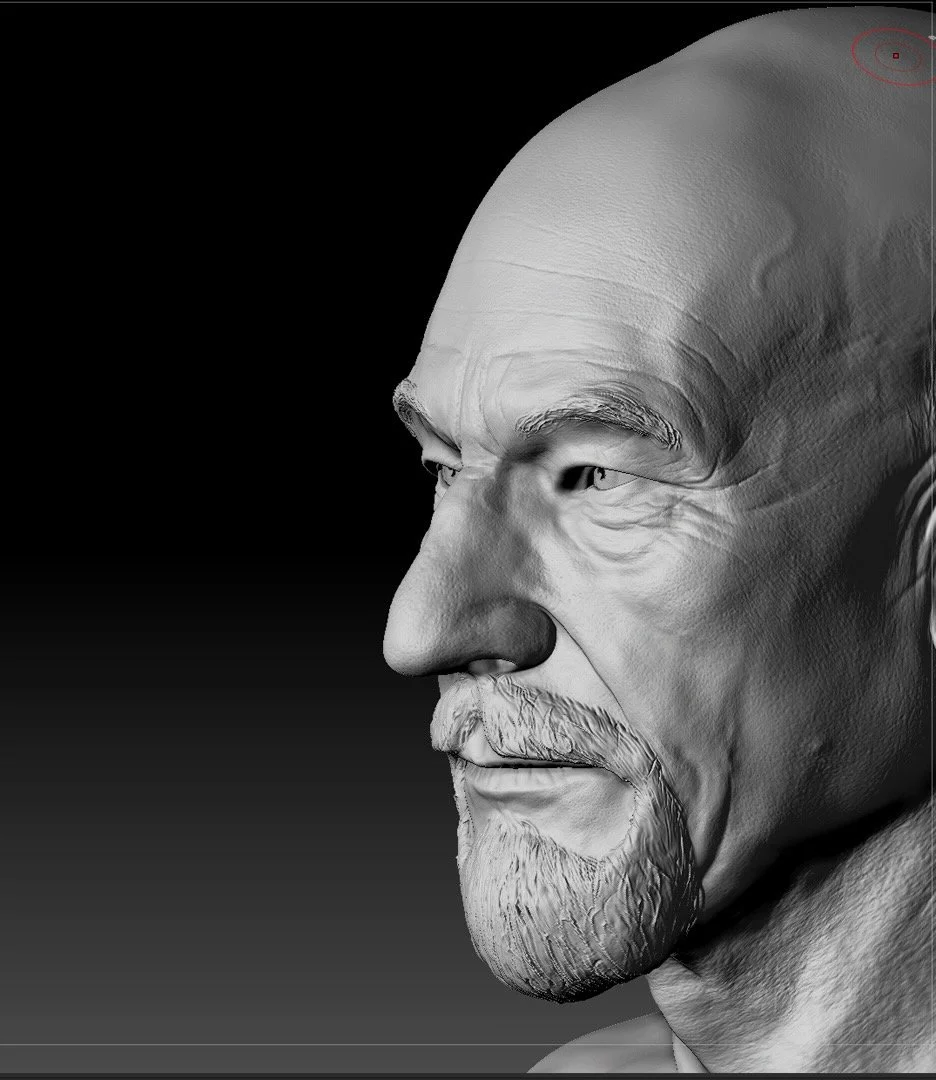
3D Character Design
-
4-week introduction course to help you begin to meet your ambition to create 3D characters for movies or video games. If you want to develop your skills in a committed way, then this is for you. More information…
-
What to expect
This 8 week course is designed so that you will produce a completed character concept which you will be proud to include in your portfolio.
You will conceive, research and create a full body character.
The process will increase your mastery of the tools and clarify the technical foundations of making for the digital creative production pipelines in the film, animation and video game industries.
You will learn a systematic and sustainable way of producing original and distinctive character art. You will also learn how to inform your artwork with context and detail and improve the communicative power of the work through the use of critical feedback from your peers.
We will meet once per week for a 3-4 hour session, and there will be inter-sessional tasks to complete. With online tutorial support. The workload is quite high. So you’ll need to be able to commit the necessary hours..
We will cover:
Observational Drawing and Sculpting
Rapid Concept and Sketching
Critique - The skill that keeps you artistically responsive and original
Enhanced Visual Research
Kinaesthetic Modelling - Using your own body to learn about performativity and theatricality
We explore many ways to understand and control the use of form for expression. Covering topics such as pose, gesture, costume and articulation, weight, balance and viewpoint.
However, the main ambition is to guide you towards producing artwork that is unmistakably your own at a fully professional level.
-
Coming Soon…
-
Characters are the primary intellectual property and narrative anchor of games, animation, and film. This eight-session modular course focuses on the underlying artistic methods and principles required to create original, believable characters with depth and credibility. This course focusses on narrative, situatedness, form, gesture, volume, and pipeline execution.
Methodology & Tools
Anatomical & Kinaesthetic Grounding: Anatomical & Kinaesthetic Grounding: Using sketching, modelling concepts, and physical posture analysis to build an intuitive understanding of how volume, weight, and gesture confer character and cultural information
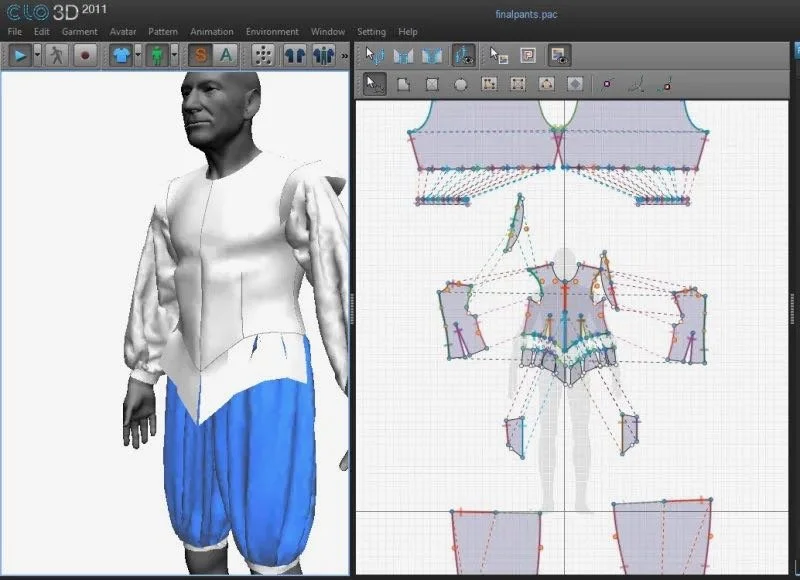
Toolsets:ZBrush for digital sculpting and Marvelous Designer for realistic garment, cloth, and armour creation. Models libraries and Generative AI for set dressing
Artistic Integrity Within Technical Constraints: Developing characters that carry subtle expressivity, from costume folds to facial micro-expression, while meeting real-time technical specifications.
Course structure
Research, Prototyping, Gesture, Silhouette
Costume, Drapery, Facial Anatomy
Technical Set Up
Retopology, UV layout, pipeline scheduling, and preparing meshes for deformation without visual breakdown.
Execution- create the character model and scene
Polish & Portfolio Review
Final render passes, asset presentation, individual project recaps, and pipeline review for portfolio delivery.
Prerequisites & Requirements
Demonstrated familiarity with 3D software navigation (ZBrush, Maya, Blender, or equivalent).
Graphics tablet and a computer capable of running digital sculpting software.
A commitment to rigorous observational practice and iterative feedback.
Original Artwork Creation
-
6-week course for individuals and/or groups to generate top-class original artworks that carry artistic authority and represent your specific aesthetic goals.
What to expect
The course is workshop-based, with 6 in-person group workshops and web-based meetups to draw on the mentorship of the tutor and the group’s critical feedback.
We start with generating your artistic project and locating it in visual culture and history.
Then follows an analysis of how to approach the project and design a project plan.
This process will introduce you to visual research, project mapping, drawing, sculpture and painting skills and give you a basic grounding in the technical foundations of making high-level artworks that would not be out of place in movies or very high-budget video games (AAA)
The level
This course is suitable for those who already have a background in finishing Artworks in 2D or 3D a reasonable ability to draw in a communicative way is necessary.
If you are unsure of the level, contact the tutor for an evaluation.
-
This 10-week course is for small teams (3–8).
Learn the Physis Method for creating completely coherent, original, production-ready IP for games or film.
The creation of completely original intellectual assets forms the bedrock of game production and movie animation. The capacity to generate novel, highly sought-after characters and environments provides a studio with complete ownership of its intellectual property, which is the fundamental basis of business viability and ownable value within digital The capacity to generate novel, highly sought-after characters and environments provides a studio with complete ownership of its intellectual property, which is the fundamental basis of business viability and ownable value within digital environments. This course provides a comprehensive system for intermediate and advanced practitioners to raise creative quality, vitality, and originality in their output.
Physis Methodology:
The approach promotes a systematic framework for continuous learning while taking advantage of traditional workflow patterns.
The “Total Artist”method demands that all generated objects carry explicit meaning, extending from broad gestures and costume all the down to minute facial gestures or the position of a finger.To this end Physis integrates several core practices:
Diagnostic Assessment:
Identifying and solving technical and artistic skill requirements, allowing for targeted individual development and a move toward mastery.
Extended Observational Rigour:
Using an extended research and contextualisation method along with traditional observational drawing, sketching, and sculpture to underpin the 3D digital artistic production pipeline. Grounding understanding of character and narrative in traditional evaluations of volume and form As well as their location in visual culture. Comprehensive world-building is the fundamental driver of authenticity in the artworks.
Kinaesthetic Mode:
The artist's own body and movement is used to generate tacit knowledge and sympathy for the character, theatricality and physicality of poses and action.Discursive Analysis:
Criticalilty amongst creative peers in the route to quality and true communicative power.Week 1:
Introduction to The Method:
Guided intro to the systematic approach and establishing the point of study. Participants examine current strengths and weaknesses through exercises and and feedback sessions,Week 2: Anatomy, Volume, and Life Observation.
Engagement with life studies to thoroughly examine anatomical structures. The scope of form is analysed through a reduction to minimum structural elements to build a deeper sense of physical volume.
Week 3: Articulating World Meaning Through Accoutrements.
Focus on integrating the project's core message into the physical design. Development of clothing and armour requires precise decisions regarding cut, flow, and material logic.
Week 4 & 5: Facial and Postural Specificity and Review.
Detailed exploration of facial communicative power. Continuous review of previous physical cues and gestural meaning.
Week 6: Production Issues.
Alignment of the generated assets with technical scheduling and standard studio pipelines.
Week 7: Technical Recap.
Systematic assessment of the asset/artwork and functionality and adherence to technical specifications.
Week 8: Finalisation and Strategic Recap.
Finishing and individual recap of the studio's artistic generative progression. Precap of the repeatable framework for generating technically complex, original intellectual properties.
Unreal Engine
-
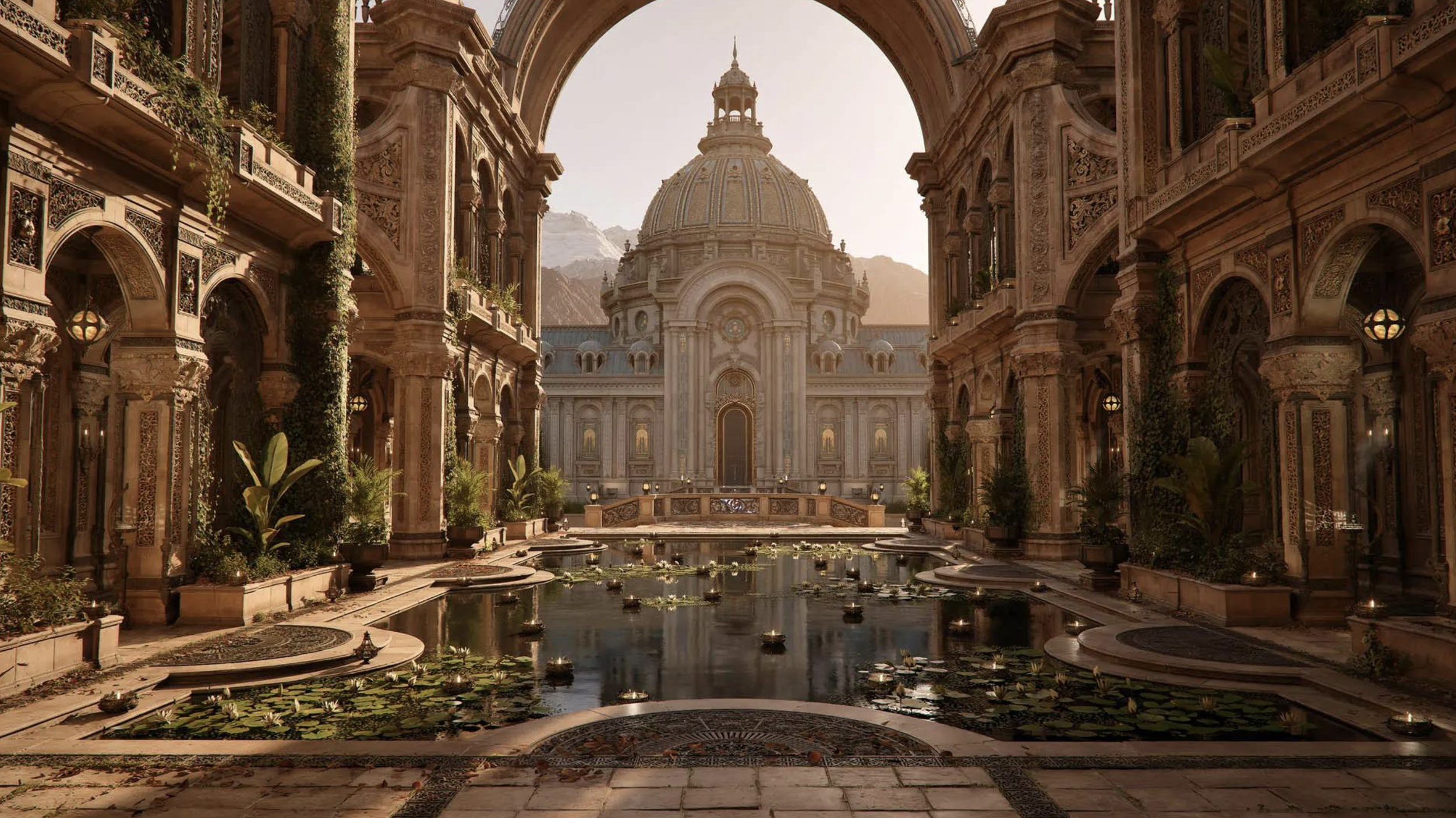
A two session guided tour and introduction to the world’s most powerful and accessible video game engine.
Unreal Engine is a large beast with an intimidating and idiosyncratic interface. The purpose of this guided tour is to help newcomers navigate their way to getting started with 3D real-time worldbuilding and game design.Design. -
What to expect
This four-week course has two-hour sessions going in depth with Unreal Engine subsystems.
Rendering & Graphics
Nanite
Lumen real lighting
Substrate Materials System.
Virtual Shadow Maps
Procedural & World Building
Megascans integration
Procedural Content Generation: Node-based generative world creation and rule-based asset generation and placement.
World Partition: Spatial data management system for large worlds.
Landscape & Foliage: Terrain sculpting, layer blending, and vegetation scattering etc.
VFX & Physics Simulation
Niagara: Node-based particle and visual effects simulation framework.
Chaos Physics & Destruction: Simulation systems for rigid bodies, cloth, hair, and mesh fracturing framework.
Physics Fields: Spatial force fields that interact dynamically with Chaos physics and Niagara particles.
Logic, Gameplay & AI
Blueprints: Scripting system for game logic, tool development, and rapid prototyping.
Gameplay Ability System: Managment of character abilities, attributes, and status effects.
MassEntity / Mass AI: Crowds and large entity counts.
StateTree & Behavior Trees: AI decision-making, and behaviour generation
Animation & Character Systems
Metahuman: realistic character generation
Control Rig: skeletal rigging.and procedural character animation framework.
IK Rig & Retargeter: Real-time animation retargeting system across differing character skeletons.
Motion Matching: Pose-driven animation selection system for fluid, responsive character movement.
Audio
MetaSounds: DSP graph-based procedural sound design and digital signal processing system.
Quartz: Audio engine for sequencing musical synchronization and audio events.
Cinematics & Virtual Production
Virtual Camera: iOS/tablet live-camera tracking manipulation, lens simulation.
Sequencer: Cinematic timeline editor.
Movie Render Queue: Render queue and compositing.
-
Regular meetups for deep exploration and knowledge exchange.
A peer forum for practitioners, technical leads, and creative directors to examine Unreal Engine’s capabilities and production realities in detail.
Subsystem Deep-Dives: Focused technical analysis of core systems, including Nanite, Lumen, PCG, Niagara, MetaHumans, and Virtual Production toolsets.
Pipeline & Production Realities: Direct discussions on asset remediation, performance budgeting, and the practical challenges of integrating real-time workflows into existing pipelines.
Technology Evaluation: Pragmatic examination of emerging procedural tools and AI integrations—separating functional workflow acceleration from market hype.
Peer Knowledge Exchange: A structured space to share production experience, evaluate architectural approaches, and discuss methods for preserving artistic intent in complex real-time systems.
Creative Collaborative Support
-
6-session project-based course in Worldbuilding using Unreal Engine’s most up-to-date methods.
You will start by originating a world concept, researching, referencing, and how to make the world relate to the character and narrative arcs.
Through the process of building, you will be introduced to the Unreal Engine’s amazing worldbuilding capacities.
Including :
RealityCapture : Real-world scan data to 3D assets assets
Megascans & Asset Libraries: Working with high-resolution surface material to build dense, believable landscapes rapidly.
Nanite
Ingestion from external 3D software (Maya, Blender, generative AI, CAD, etc.).
World Partition & Landscape Architecture: Structuring large-scale open environments using automated grid-streaming, landscape layer blending, and Runtime Virtual Textures.
Procedural Content Generation (PCG): Node-based environment rules for scattering foliage, rock formations, and architectural elements dynamically across terrain.
Lumen, Atmospherics and Lighting
AI in Game Development
-
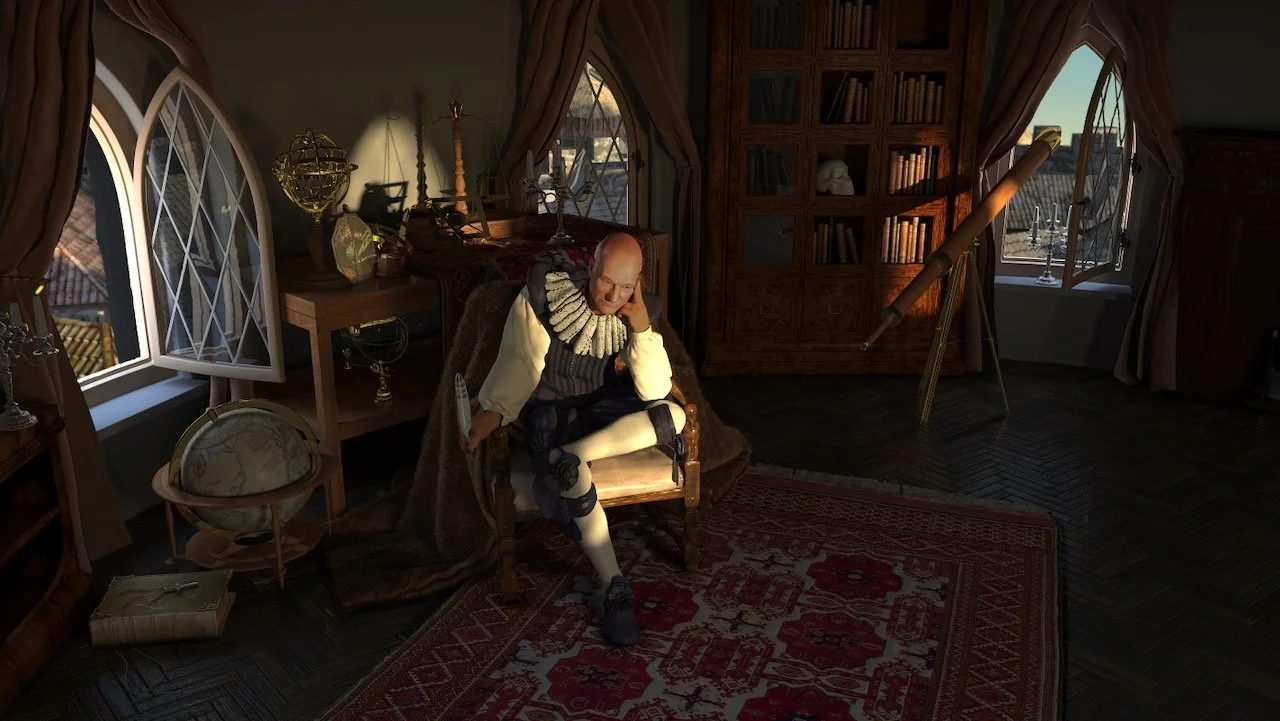
This course explores practical and ethical uses of AI in Game Art.
4 sessions that provide a grounded examination of how generative and procedural systems function within professional 3D pipelines.
-
What to expect
This course explores practical and ethical uses of AI in Game Art. Designed for artists, technical leads, and art directors.
Ignore the hype. Generative and procedural tools can genuinely accelerate creative production, but you need to understand it properly to avoid the hidden technical cost.
Some Areas Covered
Work Acceleration
Artistic Integrity, IP Preservation
Workflows that maintain control over stylistic direction, character design, and proprietary IP. How to ensure tools serve the artist’s vision rather than dictating the aesthetic.
Pipeline & Real-Time Engine Integration
Generative output to functional 3D production. Technical constraints, maps, topology considerations, and getting assets engine-ready.
Ethical, Legal & Data Frameworks
Data provenance, copyright considerations, and ethical implementation models to establish clear guidelines for studio production
-
Technical course covering setting up AI agents to work within Unreal Engine to bring efficiencies and automation to specific workflows.
Learn how to get AI to assist in work processes, data management, programming. Live trial in engine, etc.
-
This 8 part technical course covers setting up AI agents to effectively use LLMs (Claude, Gemini, DeepSeek etc) to do some of the grunt work and organisation of coding for game logic.
But! with strict methodologies to prevent excessive error chasing and iterations that cost time and money.
Virtual Production with Unreal Engine
-
Articulate the Vision: Real-Time Previs & Narrative Pipeline.
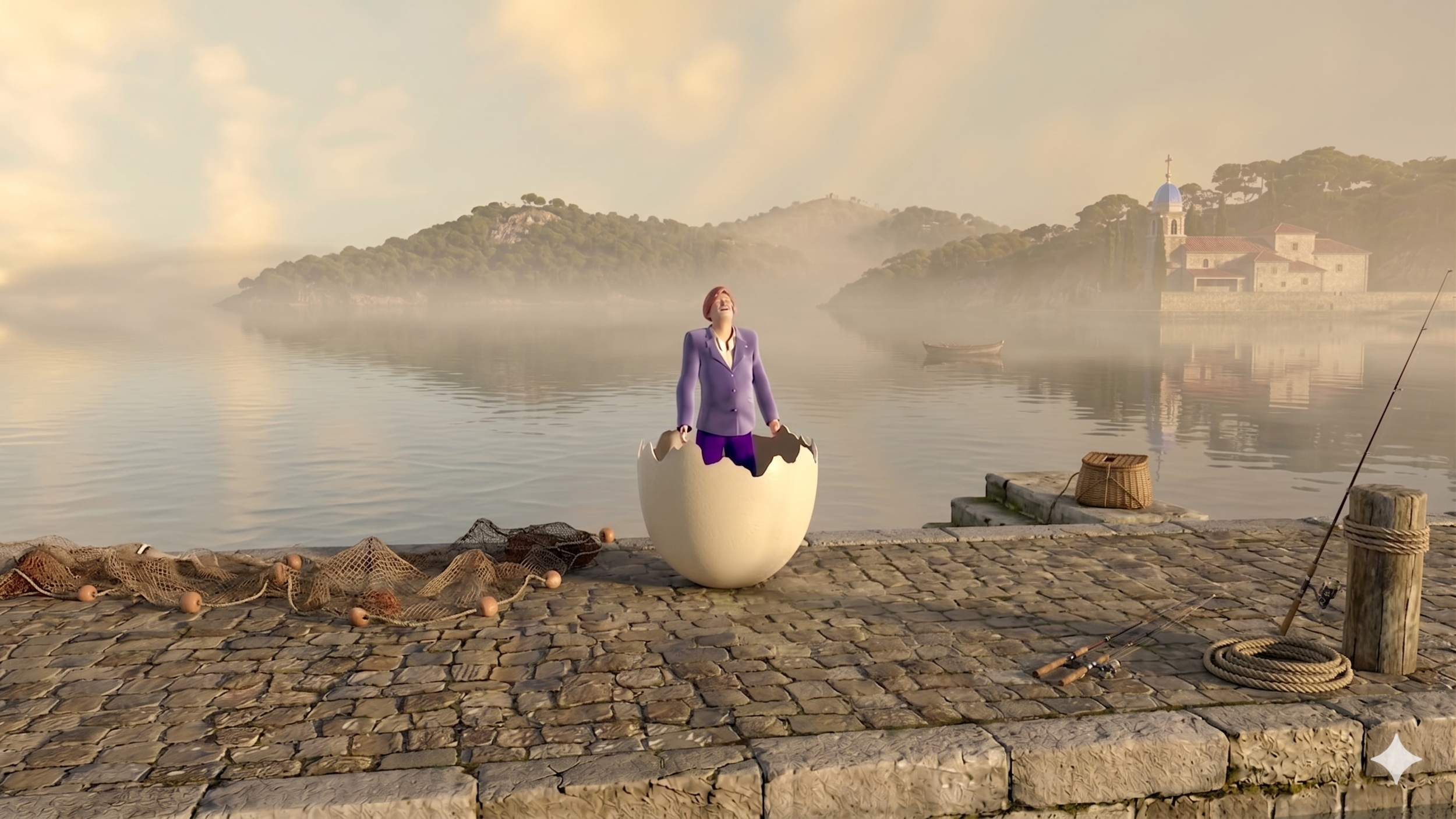
Designed for directors and creators looking to use Unreal Engine. This Stage 1 course takes you through the project set-up and preparatory phase of using the Unreal Engine for virtual studios and virtual sets.
pre-visualisation, shot planning, and structured pre-production. This course covers structuring narrative projects for real-time execution.
Ideation: Developing character attributes, backstories, visual reference libraries, and mood boards to anchor artistic intent
Shot Sequencing: Translating scripts into storyboards, shot sequence lists, camera angles, lens choices, and shot durations.
Pre-Production Task & Asset Management: Comprehensive task and asset lists (cameras, lighting, rigged characters, audio), establishing efficient task orders, and identifying technical learning goals.
Engine Previs and Layout: Scene layouts using simple block out geometry in Unreal Engine to evaluate camera decisions and shot list feasibility before full asset commitment.
Sequencer Basics: Use Sequencer timeline to establish shot hierarchy, edit sequences, set keyframes, and control camera placement.
-
The Stage 2 course focused on technical aspects of building the sets, cameras, and lighting in Unreal Engine.
Unreal Engine Navigation and Core Mechanics
Asset Construction & Interoperability: Import workflows
Materials and Textures: Working with the Material Editor, applying basic and layered materials, understanding texture packing, and configuring Physically Based Rendering workflows that allow virtual lighting and lenses.
Configuring lighting
Lighting mobility, lightmaps, static lighting, and real-time global illumination via Lumen.
Worldbuilding, Scene Assembly, and Layout: Generating and importing meshes, building organised file systems, and composing environments for your production.
-
This stage takes you through hands-on cinematic production, VFX, and rendering. You will be directing and finalising cinematic sequences, adding dynamic simulations, organising multi-camera setups, running through them, and then setting up shot lists via the sequencer. Then, setting up the final high-fidelity rendering.
Master Sequencer Architecture: Setting up multi-track cinematic timelines to manage character animation, props, lighting passes, and camera cuts.
In-Engine VFX: Creating particle systems, simulations, and real-time visual effects to elevate environmental atmosphere and cinematic realism.
Cinematography & Lighting: Operating animated camera rigs, setting up realistic lighting conditions, and locking in shot-by-shot composition.
Render Output: Fine-tuning scene settings, optimising render configurations, exporting scene passes into external video editors, and preparing final output.
-
Foundation in Small-Scale VP and Live-Stage Workflows. This course can be adapted for specific teams and projects.
Designed for indie, small-team filmmakers, boutique studios, and traditional production crews transitioning into real-time methods, this course gives a foundation in small-scale Virtual Production (VP). The focus is on accessible methods for linking Unreal Engine with physical camera operations and live-staging/projection backdrops.
Core Methods:
Virtual Camera (VCam) Systems: Setting up handheld iPad/tablet tracking, configuring digital lens mechanics, and recording live camera passes into Sequencer.
Physical Camera Tracking: Linking real-world camera tracking hardware to in-engine virtual cameras to lock perspective, depth of field, and optical movement.
Projection & Backdrop Integration: Configuring live backdrops using projection systems, green-screen keying, and small-scale LED panels to achieve believable in-camera parallax.
Real-Time Stage Lighting Alignment: Matching studio lights with engine lighting to ensure continuous exposure and colour fidelity between live and digital environments.
On-Set Workflow & Crew Handoffs: Establishing practical, low-friction handoff protocols between traditional film roles and engine operators to keep live shoots moving efficiently.
Metahumans
-
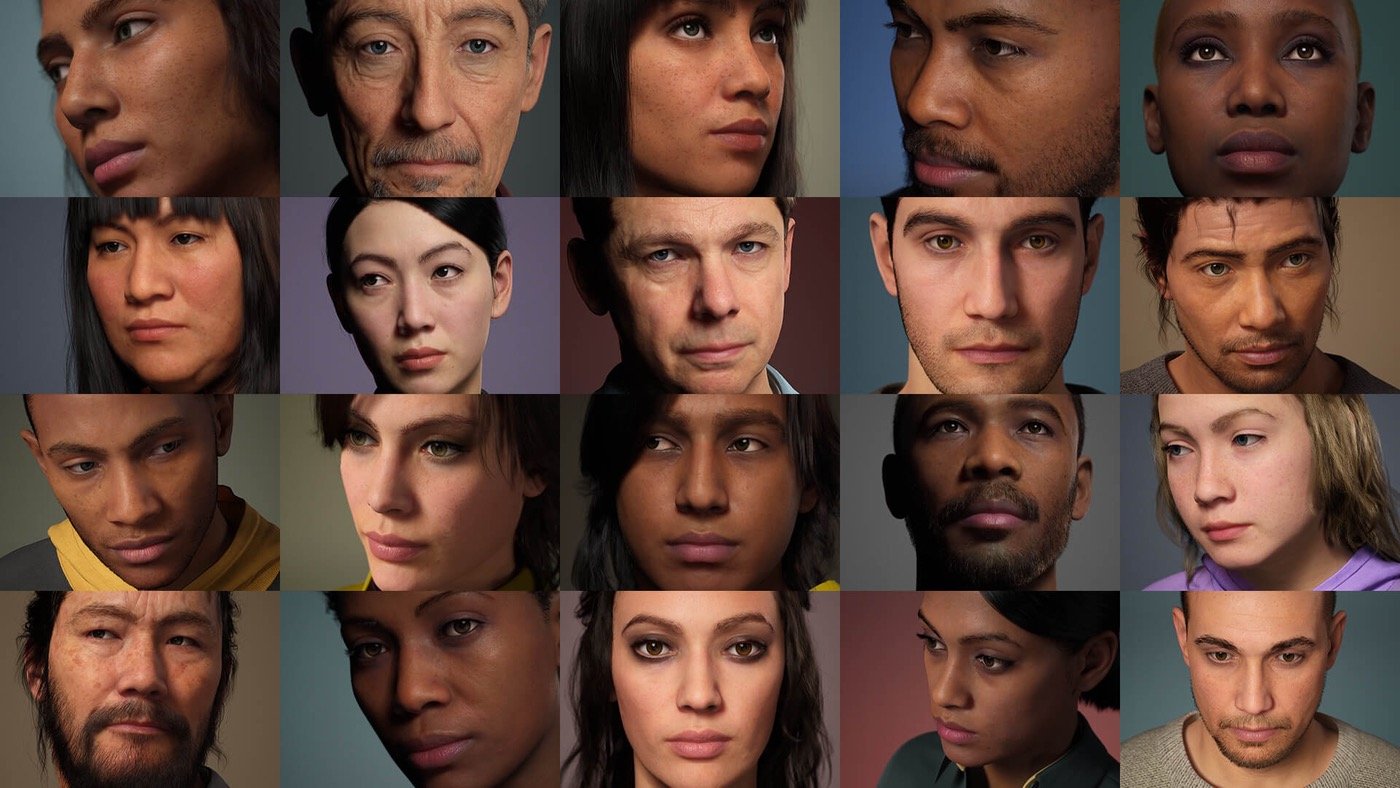
Learn how to work with Metahumans.
How to leverage the excellent generic humanoid character system to animate original characters